
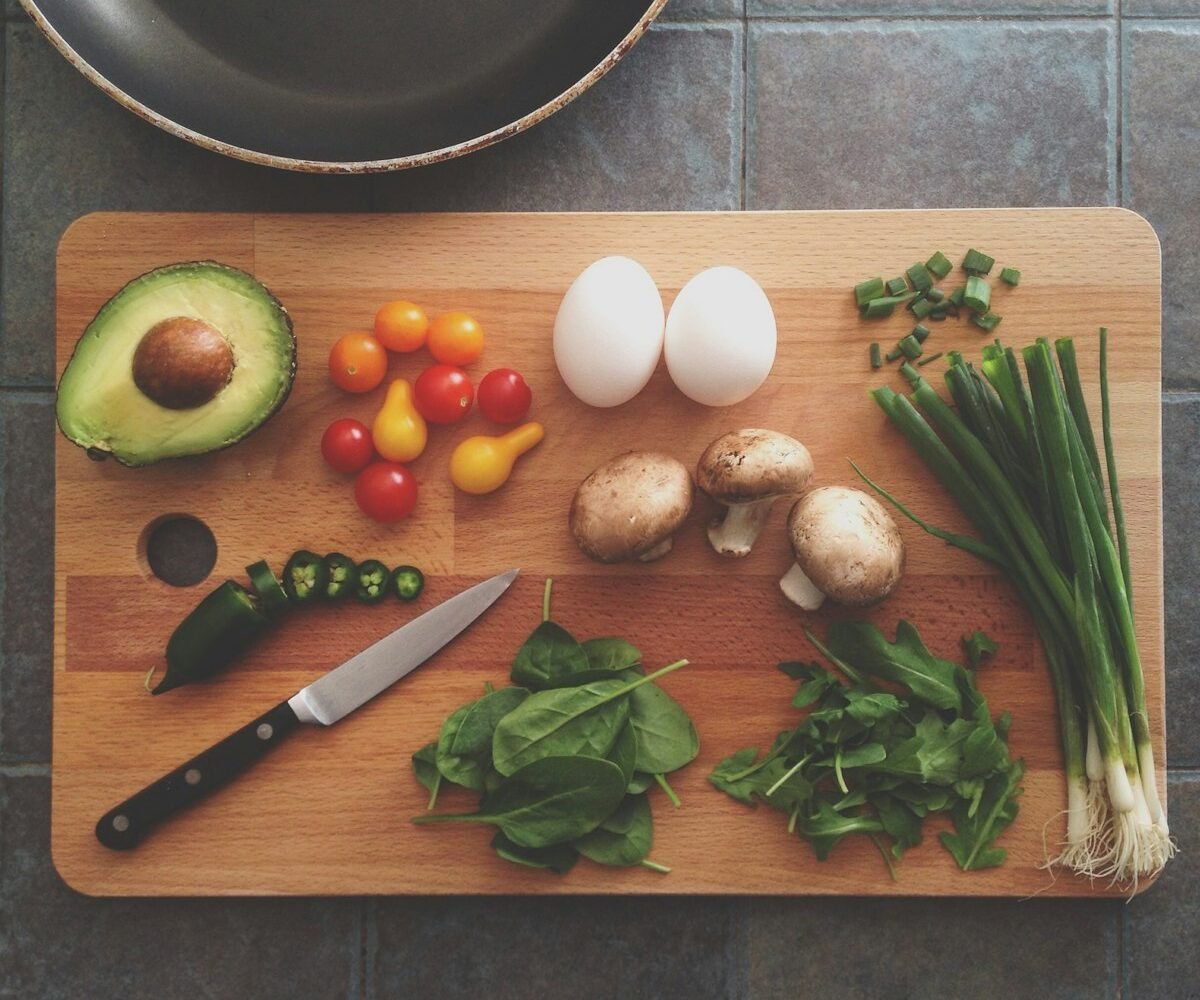
The average person makes over 200 food decisions a day. Most of them are unconscious and most of them are mediocre. AI-assisted meal planning is not about eating perfectly — it is about making good defaults automatic so that the daily “what is for dinner?” question stops draining your mental energy and your wallet.
The Real Cost of Not Planning
A 2025 USDA study found that households without a weekly meal plan spend an average of 23% more on food and waste 31% more than those with even a basic plan. The problem is not willpower — it is friction. Planning feels like work. AI removes that friction entirely.
Step 1 — The Weekly Meal Plan Prompt
Every Sunday morning, open ChatGPT or Claude and use this prompt:
Create a 7-day meal plan for [number of people] with the following rules:
- Budget: approximately $[X] per week for groceries
- Dietary restrictions: [e.g., no pork / vegetarian / gluten-free / none]
- Time available for cooking: [e.g., 30 min on weeknights, 1 hour on weekends]
- Cuisines I enjoy: [e.g., Indian, Mediterranean, Mexican]
- Ingredients already in my fridge: [list what you have]

For each day provide:
- Breakfast (quick, under 10 minutes)
- Lunch (can be leftovers from dinner)
- Dinner (recipe with ingredient list)

At the end, give me a consolidated shopping list grouped by category (produce, dairy, etc.)
In 20 seconds you have a full week of meals designed around your constraints, and a shopping list that eliminates duplicate purchases and forgotten items.
Step 2 — The Zero-Waste Refrigerator Audit
On Wednesday or Thursday, do a quick fridge check. Photograph what is left (or just list it) and use this prompt:
I have these ingredients left in my fridge that need to be used in the next 2 days:
[list ingredients]

Suggest 2 dinner ideas that use as many of these as possible.
Include a simple recipe for each. Maximum 30 minutes cooking time.
This single habit — the mid-week audit — is where most food waste is eliminated. AI turns “I have eggs, half an onion, and some cheese” into a 20-minute frittata recipe with exact steps.
Step 3 — Nutrition-Aware Customisation
If you have specific health goals, add them to your meal plan prompt:
I am trying to:
- Eat at least 130g of protein per day
- Keep carbohydrates under 150g
- Include at least 5 servings of vegetables

Adjust the meal plan to hit these targets without making every meal feel like a diet.
Show approximate macros for each dinner.
AI does not replace a registered dietitian, but it can make a reasonable first approximation and flag if a day is significantly off-balance.
Tools That Go Beyond ChatGPT
- Mealime — meal planning app with built-in AI; generates a plan from your preferences in one tap
- Whisk — save recipes from anywhere; AI builds a shopping list automatically
- Instacart AI — generates a shopping list and orders delivery in one flow
- Yummly — AI recipe recommendations based on what is in your pantry
The Compound Effect
A family of four that uses AI meal planning typically sees: grocery bills drop by $200-$400 per month, food waste fall by 60-70%, and the daily “what are we eating?” conversation disappear entirely. These are not dramatic lifestyle changes — they are the result of one 5-minute Sunday habit that compounds every week.
Key Takeaway: One well-crafted Sunday meal plan prompt plus a mid-week fridge audit is the complete system. Everything else — shopping lists, recipes, nutrition tracking — flows from those two habits.



Be the first to respond